

Investing in the vended laundry industry is one of the most reliable ways to build a steady stream of passive income. Unlike retail or hospitality, clean clothes are a fundamental necessity, making this an incredibly resilient business model. However, the true backbone of your venture isn’t just your location—it is the equipment you choose to install.
If you are just entering the market or looking to expand, you need a solid strategy to source reliable, durable, and cost-effective equipment. In this comprehensive guide, we will explore everything you need to know about navigating the market, sourcing the right models, and making smart financial decisions for your facility.
The Foundation: Setting Up for Success
Before you start looking for coin laundry machines for sale, it is essential to step back and look at the bigger picture. The secret to setting up a profitable self-service laundry business lies in understanding your target demographic and foot traffic. Are you opening a mega-laundromat in a bustling urban center, or a smaller neighborhood facility?
Your business plan will directly dictate the size, capacity, and volume of the machines you require. Once you have a clear blueprint of your store's layout and expected customer volume, you can begin the exciting process of sourcing your assets.
Sourcing Your Equipment: Where to Look
When the time comes to buy laundry machines, you have several avenues to explore. The route you choose will depend heavily on your initial capital, business model, and timeline.
Wholesale Distributors and Dealerships
For most business owners, the safest and most reliable route is purchasing through wholesale commercial laundry distributors. These specialized dealers offer extensive catalogs of new equipment, complete with warranties, installation services, and post-sale technical support. Building a relationship with a local distributor can also give you priority access to specialized repair technicians when things go wrong.
Retail appliance stores (for home, small properties, and multi-housing)
If you’re outfitting a home laundry room, a rental property, or a smaller multi-housing setup, a reputable appliance retailer can be a practical place to compare models, sizing, delivery options, and protection plans. For example, Corbeil Appliances offers a dedicated Washers & Dryers section where you can browse:
-
Washers (including top-load washers and front-load washers)
If you prefer shopping in person, you can also use their store locator to find a nearby location.
Exploring the Used Market
If you are working with a tight startup budget, you might be actively searching for a washing machines sale to lower your initial overhead. The secondary market is rich with opportunities. Seeking out used coin laundry machines for sale can save you anywhere from 30% to 50% compared to buying brand new.
When browsing second hand commercial laundry machines for sale, always request maintenance logs. Look for businesses that are liquidating assets due to relocation or retirement rather than equipment failure. A lightly used machine from a low-volume property might still have a decade of life left in it. Alternatively, keep an eye out for discount washing machines directly from manufacturers—often, these are slightly older models or "scratch and dent" units that function perfectly but boast a lower price tag.
Financial Strategy: Purchasing vs. Leasing
A major hurdle for many new operators is financing. You will inevitably face the question: should I buy or lease laundry equipment?
Buying Equipment:
-
Pros: You own the asset outright, you can claim depreciation on your taxes, and you keep 100% of the profits generated by that machine.
-
Cons: High upfront capital requirement and you are entirely responsible for all maintenance and repair costs.
Leasing Equipment:
-
Pros: Lower initial out-of-pocket costs, manageable monthly payments, and maintenance is typically covered by the leasing company.
-
Cons: You don't own the machines, and over the long term, leasing is generally more expensive than purchasing outright.
Actionable Tip: If you have the capital, buying is almost always more profitable in the long run. If cash is tight, consider leasing a portion of your machines while buying the rest to balance your monthly overhead.
Budgeting: Costs and ROI
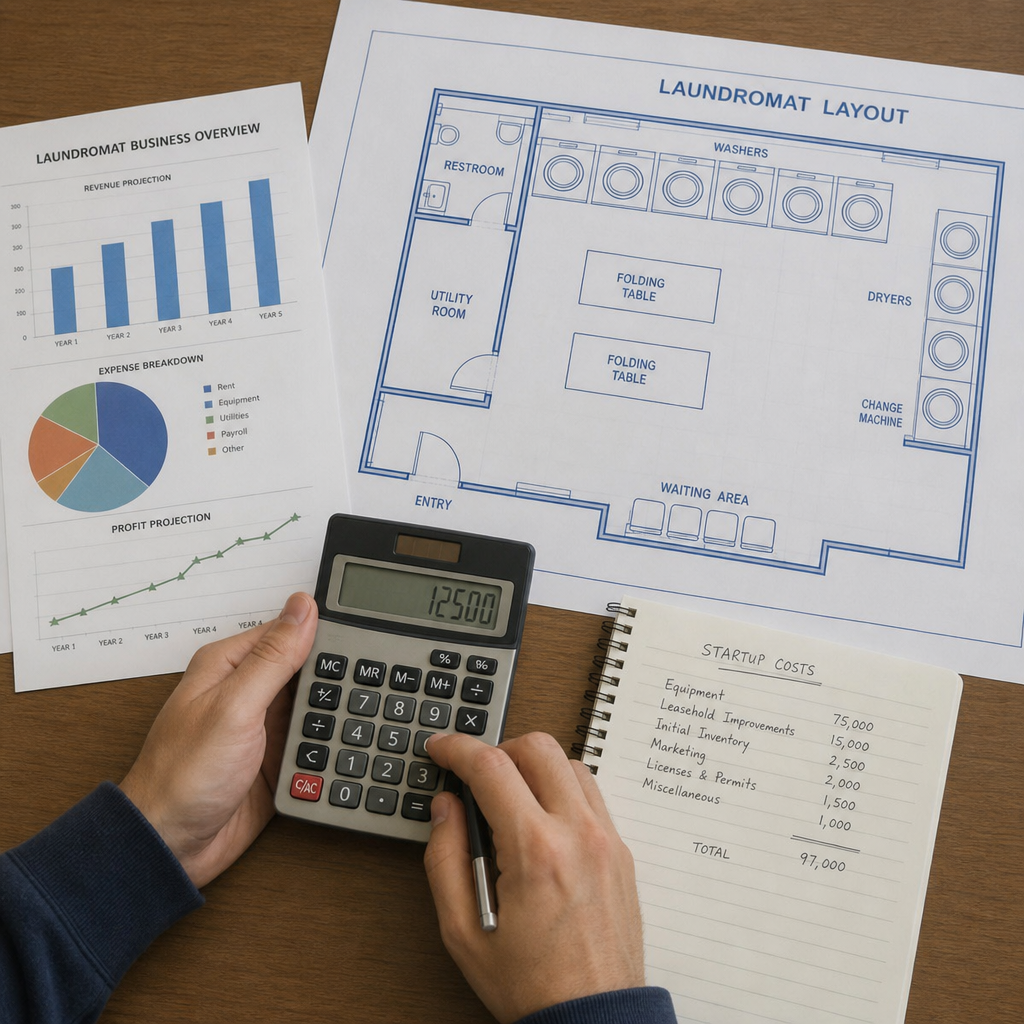
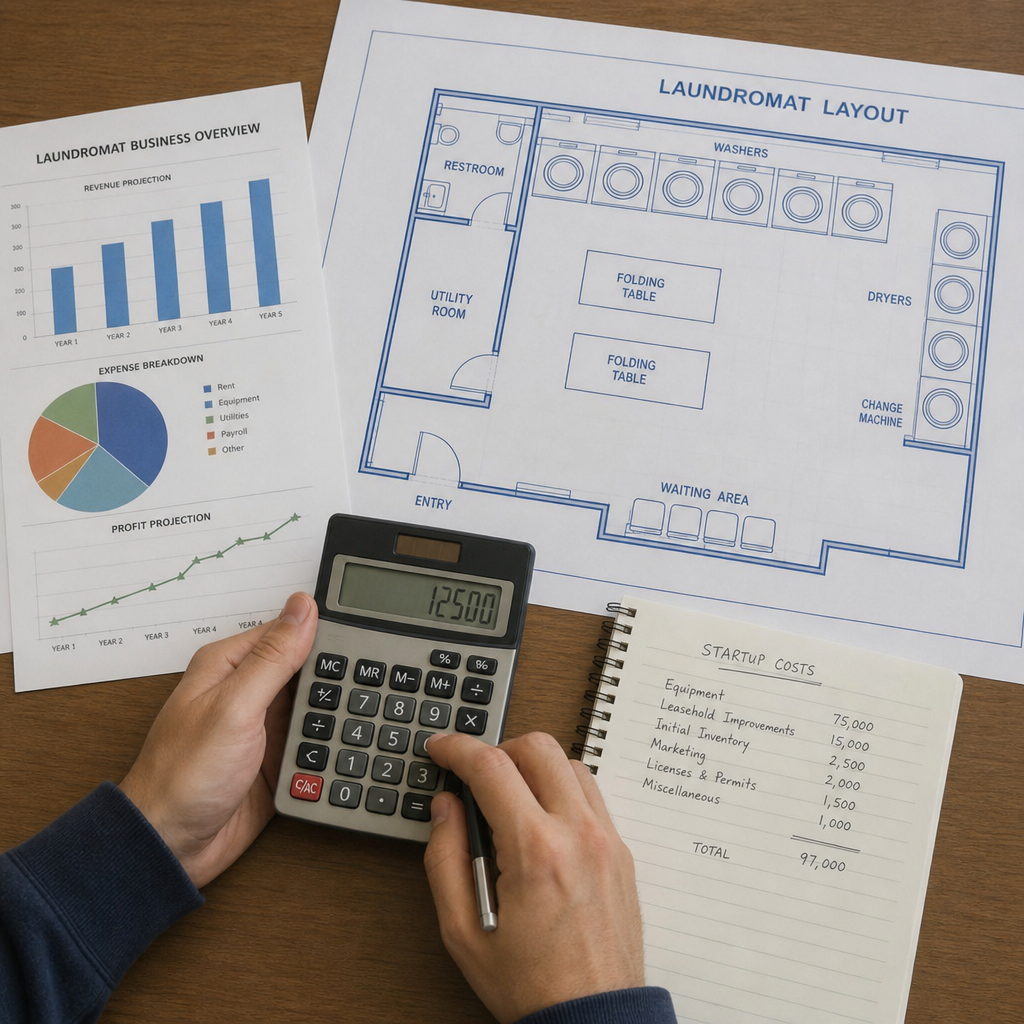
Understanding your financials is critical. A frequent question from new investors is: how much does a commercial laundromat machine cost?
The answer varies wildly based on capacity and brand. A standard top-load commercial washer might cost between $1,000 and $1,500. However, high-capacity 60-pound to 80-pound front-load extractors can easily range from $5,000 to over $10,000 per unit. Commercial dryers, often sold in stackable units to save space, generally cost between $2,000 and $6,000.
Because of these high upfront costs, calculating return on investment for laundry machines is an essential step.
-
Estimate Daily Turns: How many times will a machine be used per day? (The industry average is 3 to 4 turns).
-
Calculate Revenue: Multiply the turns by the vend price.
-
Subtract Utilities: Deduct water, gas, and electricity costs per cycle.
-
Project the ROI: Divide the net annual profit of the machine by its purchase price. High-efficiency machines often pay for themselves within 2 to 3 years.
Selecting the Best Machines for Your Business
You don’t just want any equipment; you want the best laundry machines available for your specific use case. The market is filled with commercial grade coin-operated washers and dryers, but choosing the right specifications is what will set you apart from competitors.
Styles and Efficiency: Top Load vs. Front Load
The debate of top load vs front load commercial washers is older than the industry itself, but modern technology makes the choice clearer.
-
Top-Load Washers: These are familiar to customers, have shorter wash cycles, and are generally cheaper to purchase. However, they use significantly more water and extract less moisture, leading to longer drying times.
-
Front-Load Washers: These are the standard for modern vended laundries. They are highly efficient, handle massive capacities (up to 100 lbs), and utilize high G-force extraction to spin more water out of clothes.
When focusing on utility costs, you must prioritize water-saving features for commercial laundries. Front-load washers naturally use less water. Coupling these with energy efficient industrial laundry systems ensures your utility bills stay low, thereby maximizing your profit margins.
Trusted Brands and Durability
To survive continuous, daily abuse, you need equipment from the best brands for high-volume laundromats. Brands like Speed Queen, Dexter, Maytag, and Wascomat are renowned for their heavy-duty construction, availability of spare parts, and longevity. Investing in reputable brands ensures minimal downtime.
Catering to Specific Markets
Not all laundry businesses operate in a traditional retail storefront. If you manage apartment buildings, dormitories, or RV parks, you need multi-housing laundry equipment solutions. These machines are typically smaller, space-saving (often stacked), and designed to serve a captive audience rather than transient retail customers.
Payment Innovations and Security
While coins have historically been the gold standard, the industry is rapidly changing. If you are operating a traditional coin store, security is paramount. Ensure your equipment is fitted with vandal-resistant coin slide mechanisms and heavy-duty coin vaults to deter theft.
However, consumer habits are shifting toward cashless transactions. Upgrading old washers to card payment systems—or investing in modern machines with built-in NFC/Bluetooth app payment capabilities—can drastically increase your revenue. Customers are more likely to select higher-priced, premium wash cycles when they aren't limited by the physical quarters in their pockets. Furthermore, hybrid payment systems save you the physical labor of collecting and counting heavy buckets of coins every week.
Keeping the Spin Cycle Going: Maintenance
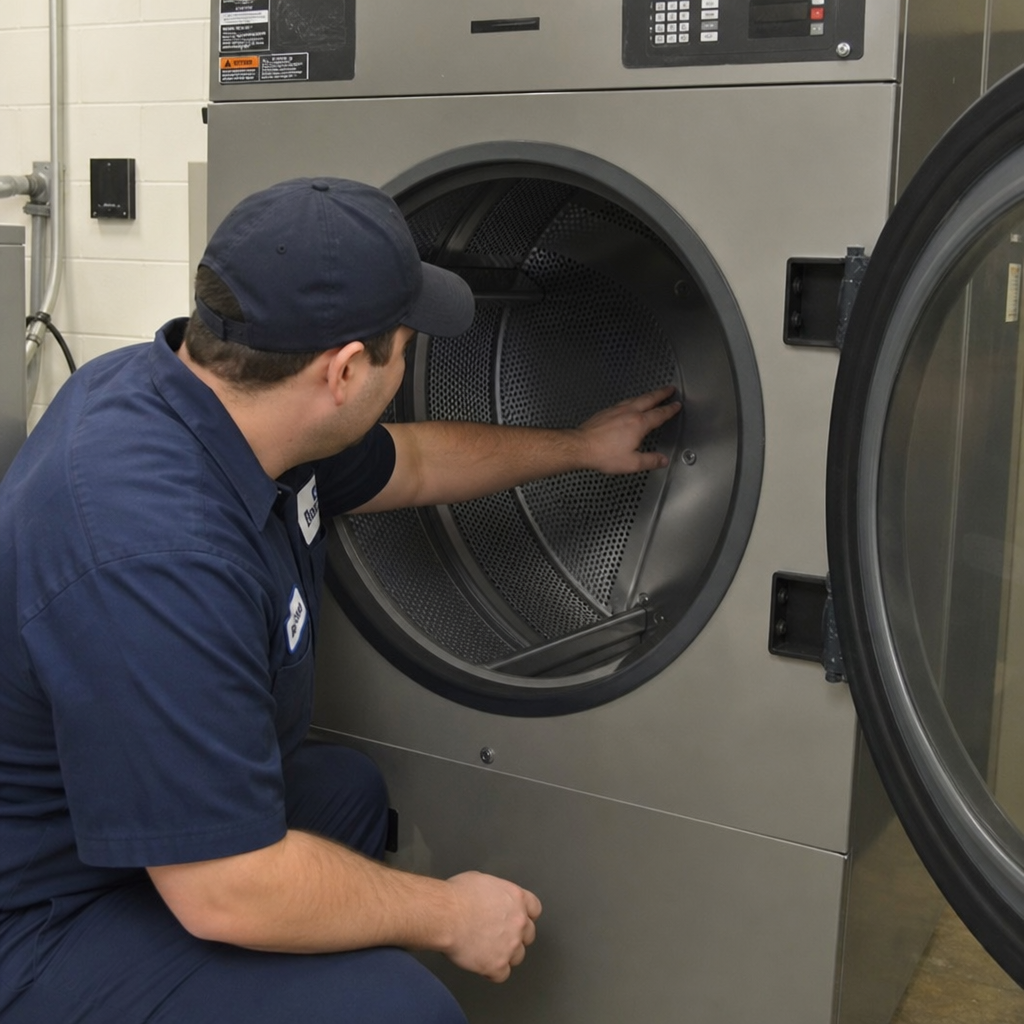
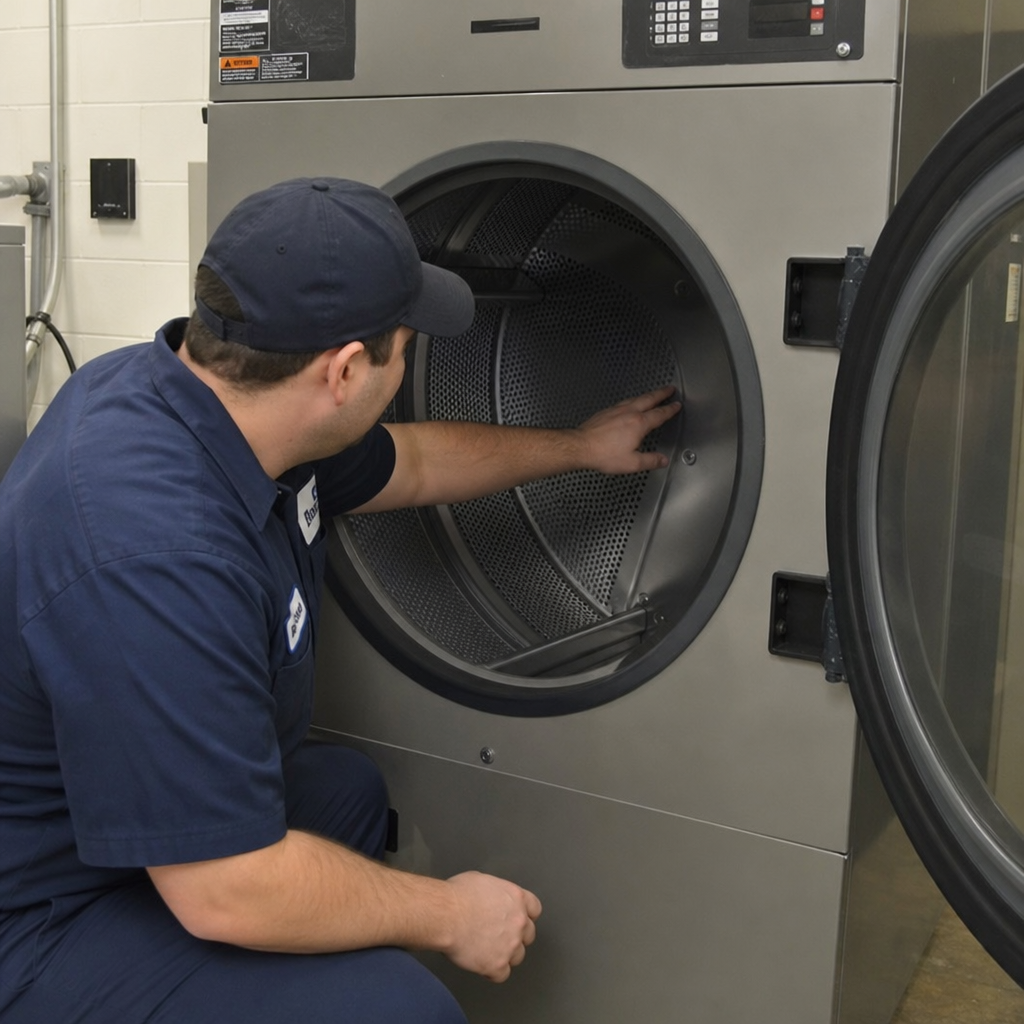
Even the most premium equipment will fail if neglected. Understanding common mechanical issues in vended laundry units will save you thousands in emergency repair bills. Common issues include clogged drain valves (usually from coins or lint), worn-out motor belts, and faulty door latches on front-loaders.
To maximize the lifespan of your investment, implement a strict preventative maintenance program. For example, creating a rigorous maintenance schedule for high-capacity dryers is non-negotiable.
-
Daily: Clean lint screens to prevent fire hazards and ensure efficient airflow.
-
Weekly: Wipe down drums and check for lingering debris.
-
Monthly: Inspect exhaust ducts and make up air vents to ensure proper ventilation. Vacuums out the burner compartments.
A well-maintained machine can operate profitably for 10 to 15 years, providing an excellent return on your initial capital.
Conclusion
Sourcing the right equipment for your vended laundry business requires patience, research, and a clear understanding of your financial goals. Whether you decide to partner with wholesale distributors for brand-new smart machines, or hunt the secondary market for refurbished gems, your priority should always be durability and efficiency. By balancing upfront costs with long-term utility savings and prioritizing meticulous maintenance, your laundromat will be well on its way to spinning steady profits for years to come.
If you are also shopping for home or small-property laundry setups, you can compare models and availability through Corbeil Appliances’ Washers & Dryers selection, and find a nearby showroom using the store locator.